

I believe for most of us, every life has value. The colour of skin, person’s size, money, language, spiritual beliefs or politics — they are all human and all have value.
Today, media illustrates our differences but to what end. Unfortunately profit and power pushes the dialogue to extremes, inflaming passions that solidify our differences. The facts always defined the truth, however today the person speaking their truth is now based on their facts.
The facts matter. To make progress on any issue, there needs to be an understanding of the reality, then the truth can be debated and results measured. This is the struggle of homelessness.
The homeless are human. When you see a street person shoot up or relieve themselves in the middle of downtown, that is someone’s son or daughter; they may be a father or mother; they are likely an addict or dealing with mental health issues.
If they were related to you, you would be horrified of their life and frustrated that you seem helpless to fix them. We are all keenly aware that a mother taking a young daughter to dance class downtown is passing by this activity, trying to explain this awful behavior to a child. That child has the same right to be on that street as the homeless person. Finding a balance is a challenge but a necessity for progress.
On our streets, there must be accountability by the street person with the acknowledgment of their humanity, balanced with the greater community’s needs and expectations. At its heart, this becomes the first step in effective response to the homeless.
The homeless are not one defined group but rather a mix of individuals who have very different reasons for being homeless.
It might be financial, a 64-year-old widow has lost her independence due to lack of money and is living in her car. For these individuals, often a simple hand up and some support can be enough to return them to a home.
It might be an addiction, a 30-year-old who panhandles at the stop light to feed his habit.
He needs treatment; we have too few treatment beds and worse, our treatment success is not good with a high degree of treated people returning to drugs. The addict must want help and for many their addiction denies them to see the road to recovery.
It might be mental health, the 50-year-old who has a shopping cart filled with junk and is yelling at an imaginary demon. Mental health has many treatments but they must be utilized by the patient to be effective and once on the street, these people become addicts in using street drugs to self medicate.
We have too few psych beds and for many they are unable to maintain treatment especially on the street. Their decision-making ability is foggy at best and often leads them in poor directions.
It might be a lifer, people on the street who do not want assistance. They likely fall into one of the above categories but reject society in favour of their own independence. They are not interested in moving off the street, the tent is home.
Universally, all homeless need counsel and to treat their underlying conditions. While they live on the street we need to protect these people from others and themselves. Their health and safety needs to be our short-term priority, a place to live, eat, washroom, shower, clothing, health care and counseling.
I would love to see the issue of homelessness solved, but I do applaud the mayor and council for moving to deal with the issue. We are all aware this problem is not confined to our city but endemic in our country. No one seems to have found the perfect fix but there are many good ideas.
I particularly like the emphasis to improve the situation. The complete fix may be down the road but we can and should work effectively to improve it, particularly the health and safety for the homeless and for the community.
If the Salvation Army asked the city to allow its volunteers to stand at the signal lights to collect donations, they would rightly be told no, this is too dangerous and risks the safety of the volunteers. It makes simple common sense not to have streetpeople who can barely stand, have a hard time walking or may be very high, on these corners begging. It is exactly the same reason as not allowing those volunteers, safety.
I had a discussion with a coworker on street people panhandling. She has a big heart and always gave to them at stop lights. I told her I never give money on the street because I know the money you give does not go for essentials like food or housing.
Sadly, I believe the vast majority is used for their addictions. So I tell people, give to the charities and outreach groups who help them. Saying no at your car window or on the street is not negative; you can be a caring individual, concerned for people on the street, by giving your money to an organization that will care for them.
You will miss, like my coworker, the immediate gratification of a smile of appreciation but your gift will be far more effective for their well-being.
Energy Court has become a natural hub for the homeless, so I like the idea of bringing services directly to them. Their health and safety are the priority, warming areas, security, washrooms, food, showers, clothing and health care will improve their lives and improve the downtown.
The city must also look after the security and concerns of the people and businesses around Energy Court; they are paramount to the success of this venture and need to be listened to. This is a balance, understanding the need to improve the condition of the homeless and improve the quality of life for the community.
I have worked feeding the hungry for 50 years. I was one of the founders of the Sudbury Food Bank. I have had the opportunity to serve provincially and nationally to deal with hunger, an issue that seems to defy a simple fix.
For many years, I called food banks a “Band-Aid solution” and prayed for a day they would not be necessary. What I have found is we have not developed a complete answer/fix that I had hoped for “yet”, but food banks have become a very effective part of the social net that ensures no one goes hungry.
Food banks may not have solved hunger, but we certainly have improved life for the hungry and the community they live in.
For the homeless, let us support the work of the city on these new ventures. No doubt some may succeed and some may fail. Most people are fed up with the mess, the locked doors, the repeated solicitation, the out-of-control shoplifting, the inability of law enforcement and social programs to protect our community or the homeless, all leading to a dark sense that this is a reflection of who we are, with no exit.
Change is possible and we can improve the homeless challenge. I know Sudburians, we are far from defeated, we value every life. We can see these issues, hold people accountable for bad behavior while caring about their humanity. We need brave leaders to try new solutions starting with health and safety to improve life both for our community and the homeless.
I define success as leaving it better than you found it. We all play a role in that solution!
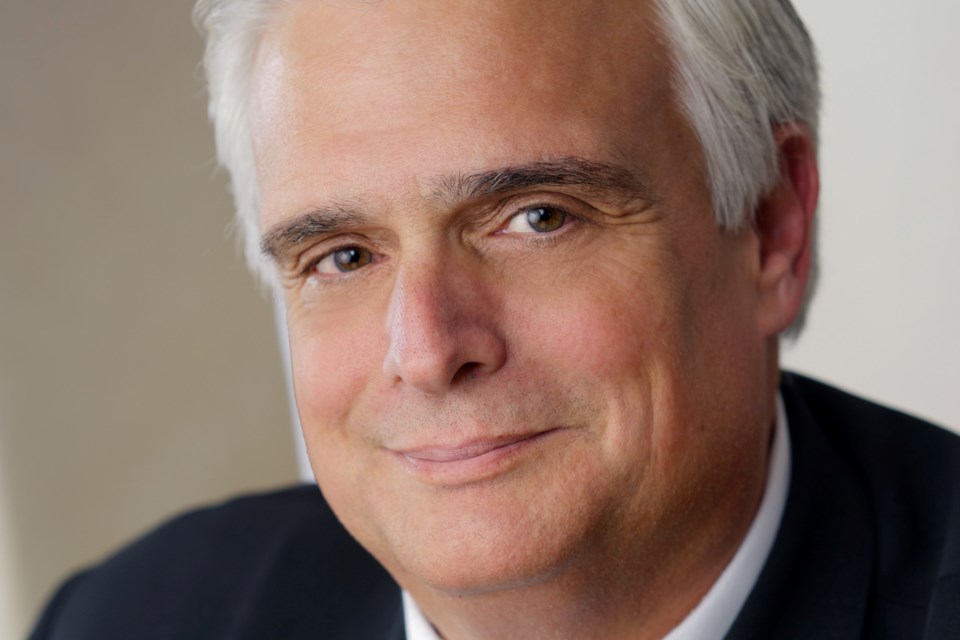
Geoffrey Lougheed is the founder of the Sudbury Food Bank.